
Key takeaways
- In the review below, 33 to 45 percent of needleless connectors were colonized after insertion.
- Scrub with 70 percent isopropyl alcohol using real friction, then let it dry completely.
- Passive disinfection caps were associated with large drops in infection rates in the studies reviewed.
In the world of IV therapy, we often focus on the success of insertion. The perfect vein, the ideal gauge, the smooth cannulation. But once the line is in, an invisible threat always remains: the needleless connector hub. These small plastic ports, while designed for safety and convenience, are often overlooked as a source of infection.
What the evidence shows
A 2015 systematic review of over 140 studies uncovered a concerning pattern. Nearly half of all post-insertion catheter-related infections can be traced back to microbial contamination of the connector hub. That means even after a flawless insertion, a patient can still be at risk.
What is even more troubling is the contamination rate. Between 33 and 45 percent of needleless connectors were found to be colonized by bacteria after insertion. In other words, nearly one out of every two connectors could be harboring pathogens. Despite well-established protocols, actual compliance with disinfection procedures is often very low. Some studies reported disinfection rates as low as 10 percent. And where does that bacteria go when the connector is flushed? Straight into the patient's bloodstream.
So what can we do?
While there is no definitive answer about the exact scrub time, the general recommendation is to use 70 percent isopropyl alcohol and scrub the hub for at least 5 to 60 seconds. The specific number of seconds may vary, but the key is to use consistent friction and allow time for the alcohol to dry completely. This simple act can dramatically lower the risk of infection. Follow the scrub and dry times in your facility's policy.
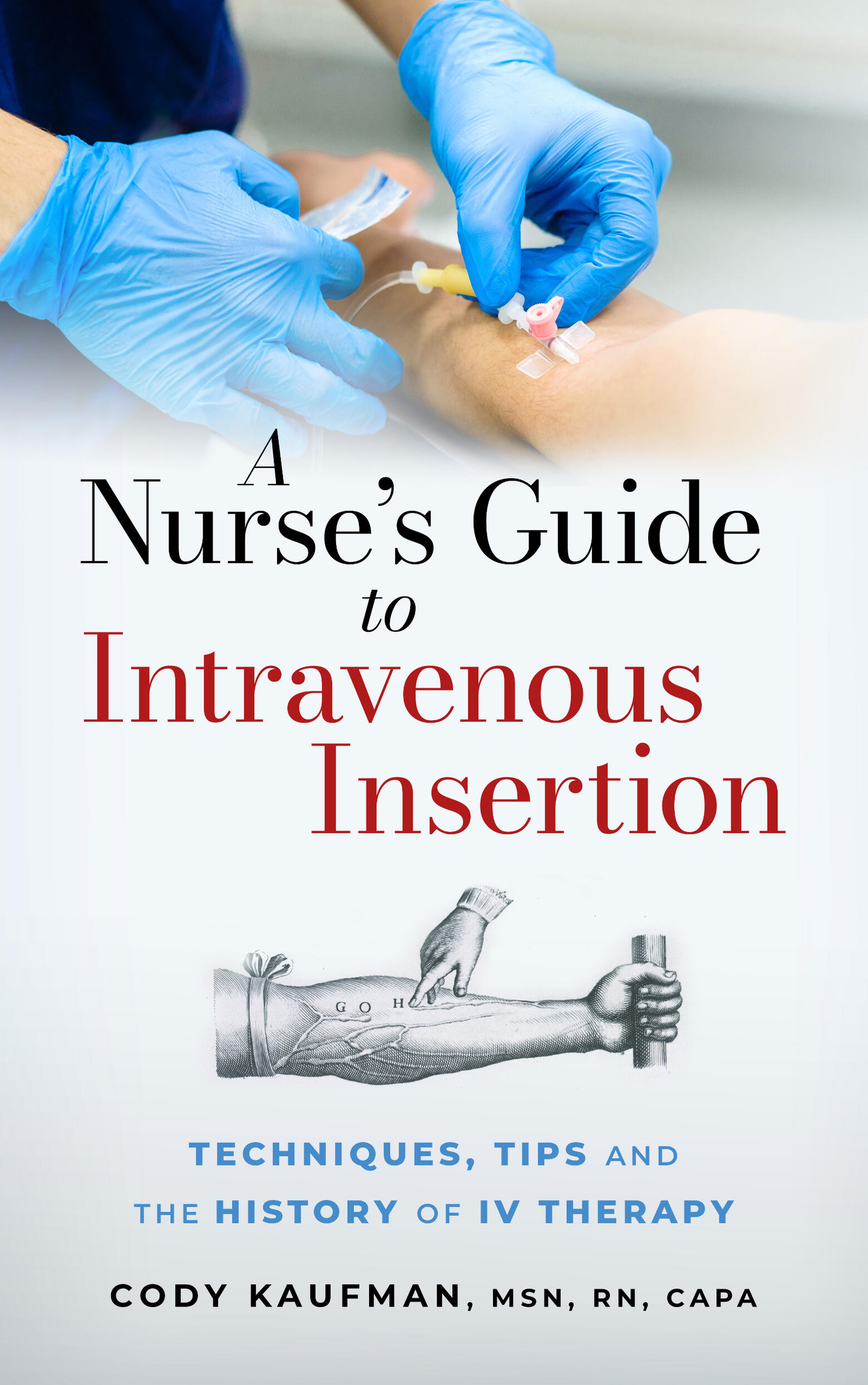
Want the full technique, step by step? A Nurse's Guide to Intravenous Insertion covers it with photographed grips and real-world troubleshooting.
Passive disinfection caps
Another highly effective tool is the use of passive disinfection caps, commonly known as Curos caps. These are small, alcohol-filled caps that attach to the connector between uses. Clinical studies have shown they can reduce infection rates by anywhere from 48 to 86 percent. That kind of impact is hard to ignore.
Gatekeepers of infection prevention
As nurses, we are not only caregivers but also gatekeepers of infection prevention. Disinfecting the hub may seem like a small detail in a busy shift, but it carries a large weight. It is a simple habit that can save lives. Let's treat it like it matters, because it does.
Reference
- Moureau, N. L., & Flynn, J. (2015). Disinfection of needleless connector hubs: Clinical evidence systematic review. Nursing Research and Practice, 2015, 1 to 20. doi.org/10.1155/2015/796762
This post is for education. Always follow your facility's policies and your scope of practice, and ask for help when you need it.